
Detroit Dresses Well. So Why Don’t We Have a Fashion Scene?
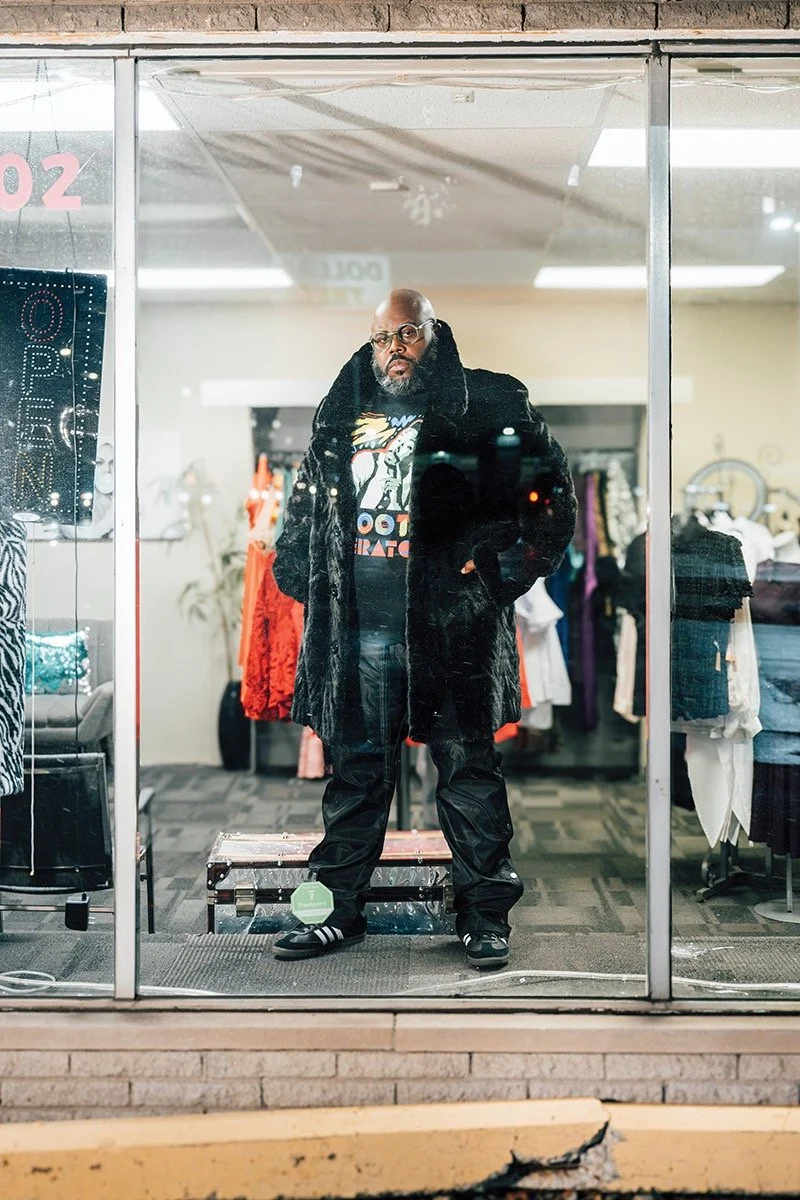
Detroit doesn’t need a runway to look good. You see style here in real motion — puffer jackets layered over designer hoodies, Montcler and Carhartt existing in the same closet, Cartier buffs catching sunlight even in the winter, and shoes that actually get worn, not displayed. Detroiters dress with intention, mixing luxury with workwear, streetwear with practicality. It’s a look shaped by the city itself: bold, resourceful, and undeniably original.
December 8th, Written by Ryan PackerThe City With an Unscripted Dress Code
There’s an honesty to the way people here get dressed. Nothing feels forced. Everything feels lived-in. But for all the authenticity, Detroit still lacks the ecosystem that turns style into a structured scene. The energy is here; the support isn’t. Creativity exists on the street level, but the bridge to an industry — production resources, mentorship, visibility — remains unfinished. Detroit has a look. What it doesn’t have is the infrastructure to carry that look into a sustainable fashion identity.
Detroiters combine luxury, practicality, and streetwear in ways few cities can replicate. Every outfit tells a story, reflects the city’s grit, and asserts personality. The sidewalk is the runway; every corner, a gallery. And yet, without infrastructure, the talent here often stays invisible to the wider fashion world.
The Micro-Fame Problem
Here’s the uncomfortable truth: Detroit moves like a small city with a celebrity complex. People here walk into creative spaces already acting like headliners. Collaboration becomes complicated when everyone wants to be the face, not the team. It creates distance where community should be. It makes projects feel competitive instead of collective.
This mentality fragments the scene. Instead of one cohesive fashion community, Detroit ends up with clusters of creatives who rarely cross paths unless there’s a camera involved. The ego is louder than the work, and the city loses out on the progress that comes from shared effort. It’s a culture built on being seen — not on building something together.
Talent Abundant, Professionalism Inconsistent
Detroit has real talent — designers with a point of view, stylists with genuine vision, photographers who can capture the city’s pulse in a frame. The rawness is a strength. But professionalism is where it falters. Last-minute cancellations, unstructured shows, unreliable communication — these patterns make it hard for Detroit to be taken seriously by larger markets.
Still, the potential is rare. The passion is sincere. What the city needs isn’t more talent — it’s leadership, guidance, and dependable systems. With the right structure, Detroit could shift from scattered creativity to a functioning fashion network. The capability is already here. It just needs direction.
Hype Over Craft
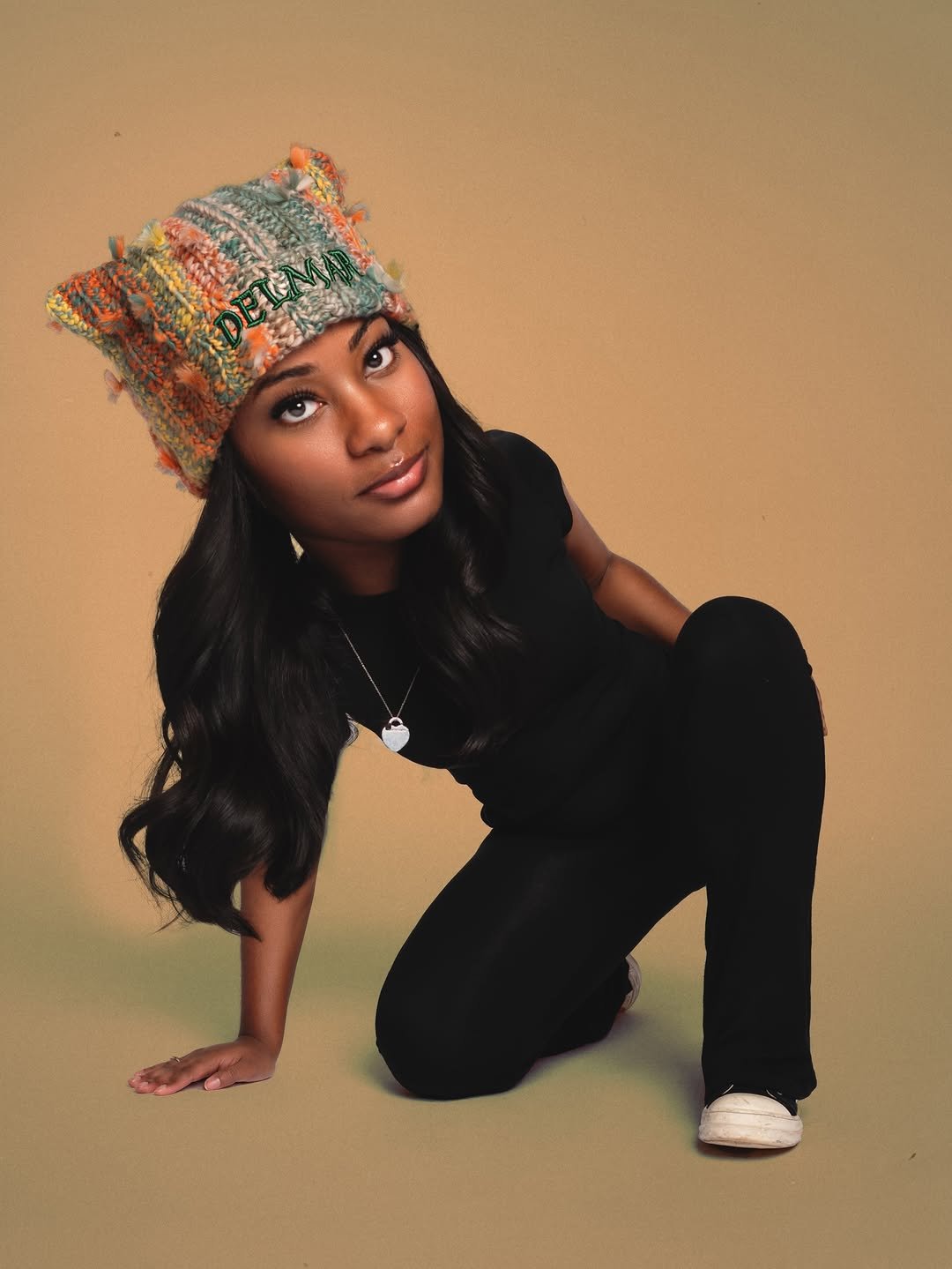
Another hard truth: Detroit hypes people more than work. Local brands rise not because the clothes are well-made, but because the designer is socially successful. It becomes a popularity contest disguised as a fashion conversation. Mediocre pieces get amplified while skilled creators get overlooked simply because they aren’t as visible.
This cycle keeps the quality low and the expectations even lower. Detroit doesn’t grow if the bar stays on the ground. For a real fashion scene to exist, the city has to start rewarding craftsmanship — not clout. The moment Detroit shifts its attention to the work instead of the personality, everything changes.
What Detroit Could Be
Even with the flaws, Detroit remains one of the most naturally stylish cities in the country. The originality is unmatched. The mixing of luxury, workwear, and street culture forms a visual language that belongs only to this city. Detroit fashion is already distinct — it just hasn’t been organized into something scalable.
If the city can move past ego, uplift professionalism, and shift the focus toward quality, Detroit could build a fashion identity that stands on its own. Not a replica of New York. Not a shadow of L.A. Something uniquely Detroit. The runway is already here — every sidewalk, every gas station moment, every night out. All that’s missing is the structure behind the style.