
Safe to Feel: Fashion, Feelings, and Finding Yourself in Detroit
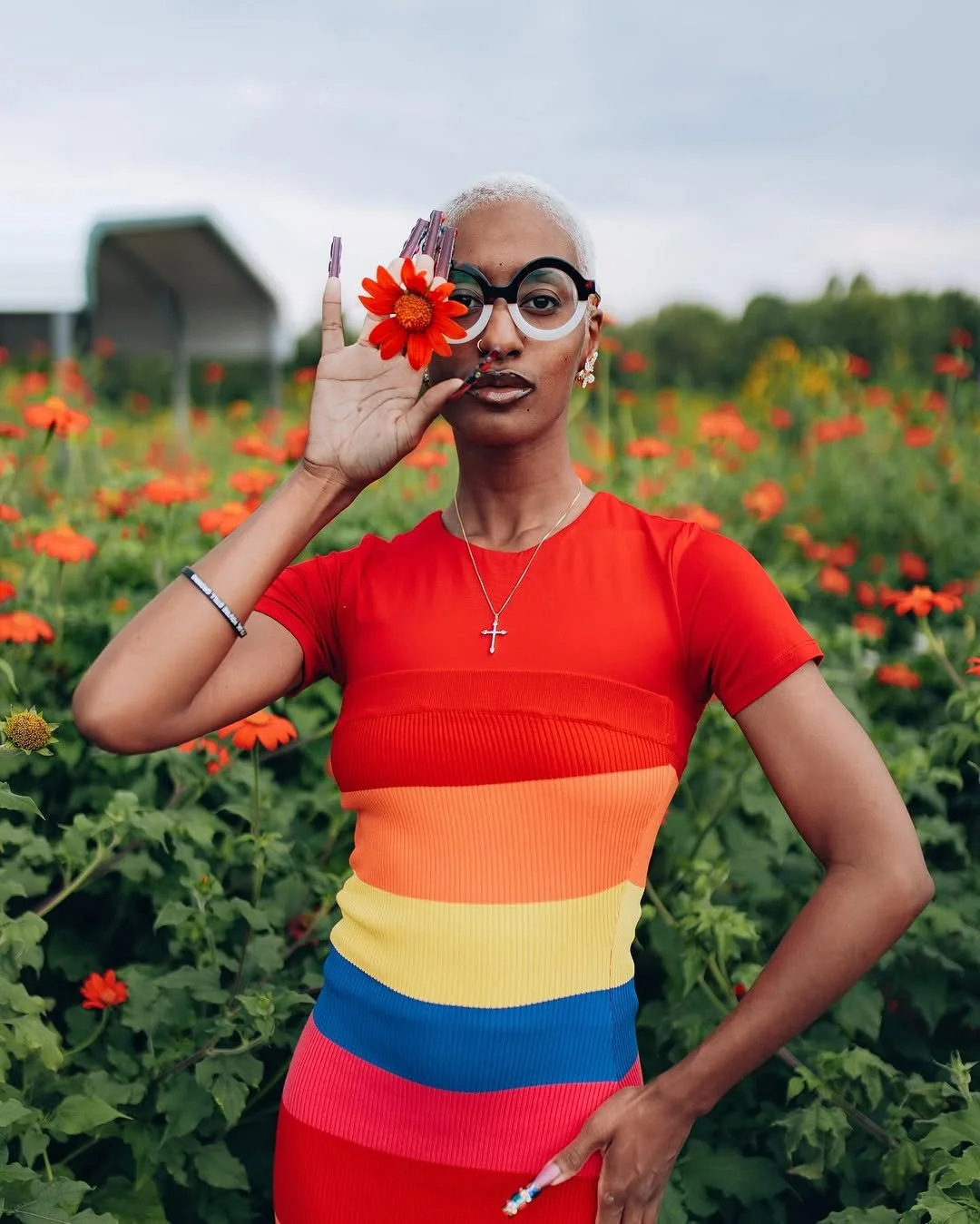
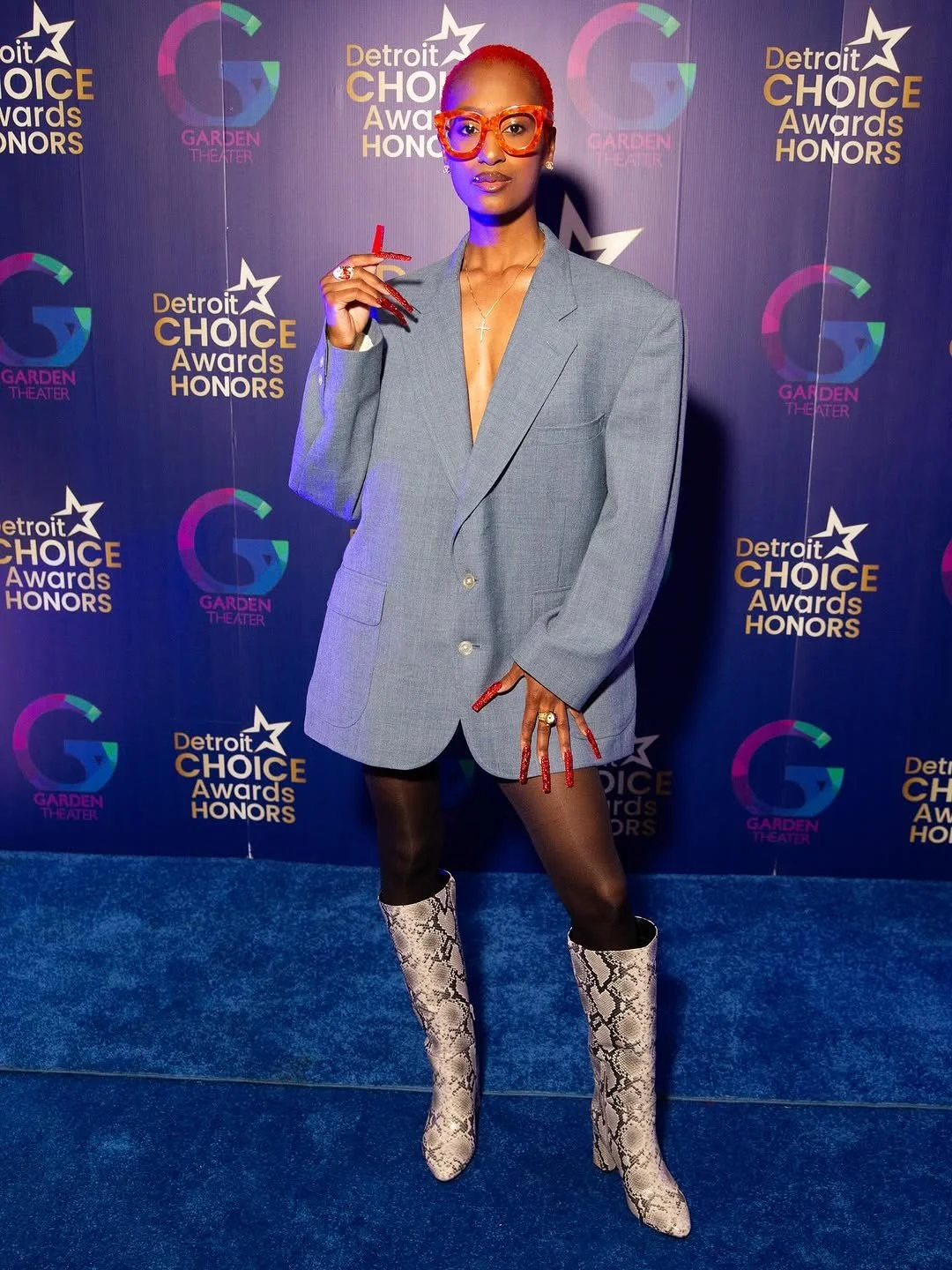
For Shawana—known to many online as @fashion_junkieeeee—fashion wasn’t always part of the plan. The bold colors, sculptural layers, and fearless silhouettes she’s known for today grew out of a journey that began far from runways and mood boards.
Growing up, Shawana describes herself as a tomboy. Fashion wasn’t something she thought deeply about, let alone imagined as a future path. “If you see pictures of me when I was younger, I was dressed in overalls,” she says. “I never would’ve thought I’d be where I am today.” That disconnect, she explains, makes her evolution even more meaningful—proof that identity isn’t fixed, and neither is personal style.
December 21st. Written by Ryan Packer |Editor-in-Chief of PlannMagazine
A Mother’s Influence, A City’s Pressure
While Shawana didn’t grow up immersed in the arts, fashion was quietly present at home. Her mother—effortlessly stylish through the ’80s, ’90s, and early 2000s—became her first and most important influence. “She was always fly,” Shawana says. “Seeing how her style evolved really paved the way for me.”
High school marked the turning point. It was 2009, the height of the jerking era—colorful, expressive, unapologetic. For Shawana, fashion became less about fitting in and more about separating herself. “I wanted to stand out. I didn’t want to look like everybody else.”
Growing up in Detroit only sharpened that instinct. Navigating stereotypes, gang-affiliated school environments, and daily uncertainty, she chose not to conform. “People thought I’d fall into certain norms,” she says. “I didn’t let that pressure me into being someone I wasn’t.” She describes herself as quirky—different by nature—and credits that self-awareness with helping her push through environments that weren’t built for individuality.
When Style Meets Mental Health
Shawana’s blog sits at the intersection of fashion, mental health, and self-reflection. The idea came during a period of emotional stagnation. “I was in a rut,” she explains. “I wanted to talk about my personal feelings and put things out there.”
Living with mental health challenges since childhood taught her what happens when emotions are suppressed instead of addressed. Writing became an outlet. Fashion became a visual language. Together, they created space for honesty. “A lot of people my age go through things and don’t talk about it,” she says. “I wanted to change that.”
That openness hasn’t gone unnoticed. Readers reach out. Followers DM her. Some thank her for articulating feelings they didn’t know how to express. “You never know who’s reading,” Shawana says. “That’s why being open matters.”
Influence Without Imitation
When asked about her fashion influences, Shawana names her mother first—always. Beyond that, Rihanna’s fearless evolution and unpredictability stand out, along with Zendaya’s refined growth and high-fashion grace. But imitation has never been the goal.
“I don’t follow trends,” Shawana says bluntly. “I don’t even know what’s trending right now.” Instead, she’s drawn to the unconventional—the pieces others dismiss. “What people think is ugly, I can turn into a masterpiece.”
Whether it’s a thrifted coat that resembles a trash bag or a heavy, multicolored statement piece worn in New York, her approach is intuitive. Style, for Shawana, isn’t about validation—it’s about vision.
Detroit, Fashion, and the Uncomfortable Truth
Shawana doesn’t shy away from tough conversations, especially when it comes to Detroit’s fashion ecosystem. She points to a lack of infrastructure, widespread gatekeeping, and recognition driven more by popularity than substance.
“There are real fashionable people here doing this every day,” she says. “But they’re not getting the recognition they deserve.” She’s seen designers underpaid, uncredited, and overshadowed by brands with bigger followings but weaker foundations. “At this point in my life, I only want my name attached to greatness.”
Moving Forward Without a Map
Looking ahead, Shawana isn’t chasing rigid milestones. New York is calling—but not with a checklist. “I’m done setting goals that don’t happen on my timeline,” she says. “I just want to go with the flow and align with what feels right.”
Her advice to emerging creatives mirrors that mindset: show up anyway. Post anyway. Create anyway. Even if the engagement is low. “I remember getting three or four likes,” she says. “But I kept going.”
Because fashion can swallow you whole if you forget why you started. Shawana’s reminder is simple but powerful: remember who you are beneath the clothes.
For @fashion_junkieeeee, fashion isn’t just about what you wear—it’s about survival, honesty, and giving yourself permission to feel