
When the Halftime Show Becomes a Borderline
For years, the Super Bowl halftime show has pretended to be apolitical — a safe, corporate pause between violence and commercials. But in 2026, that illusion finally collapsed.
What unfolded on the halftime stage wasn’t just a performance. It was a cultural checkpoint.
As millions tuned in expecting spectacle, what they got instead was a reminder: America is not neutral, and neither is its entertainment. The halftime show — led by an artist whose language, culture, and politics sit at the center of today’s immigration debates — collided with a country still grappling with who gets to belong and under what conditions.
The result was not outrage because of what was said, but because of who was saying it — and where.
February 11th . Written by Ryan PackerA Stage Built on Contradictions
The Super Bowl markets itself as the most American of events. Flags. Flyovers. Militarized pageantry. Unity packaged as tradition.
Yet America itself is not singular, and the halftime show has always quietly reflected that truth. From Prince’s rain-soaked guitar to Beyoncé’s Black Panther imagery, moments of cultural assertion have slipped through the cracks of commercial neutrality.
This year, those cracks widened.
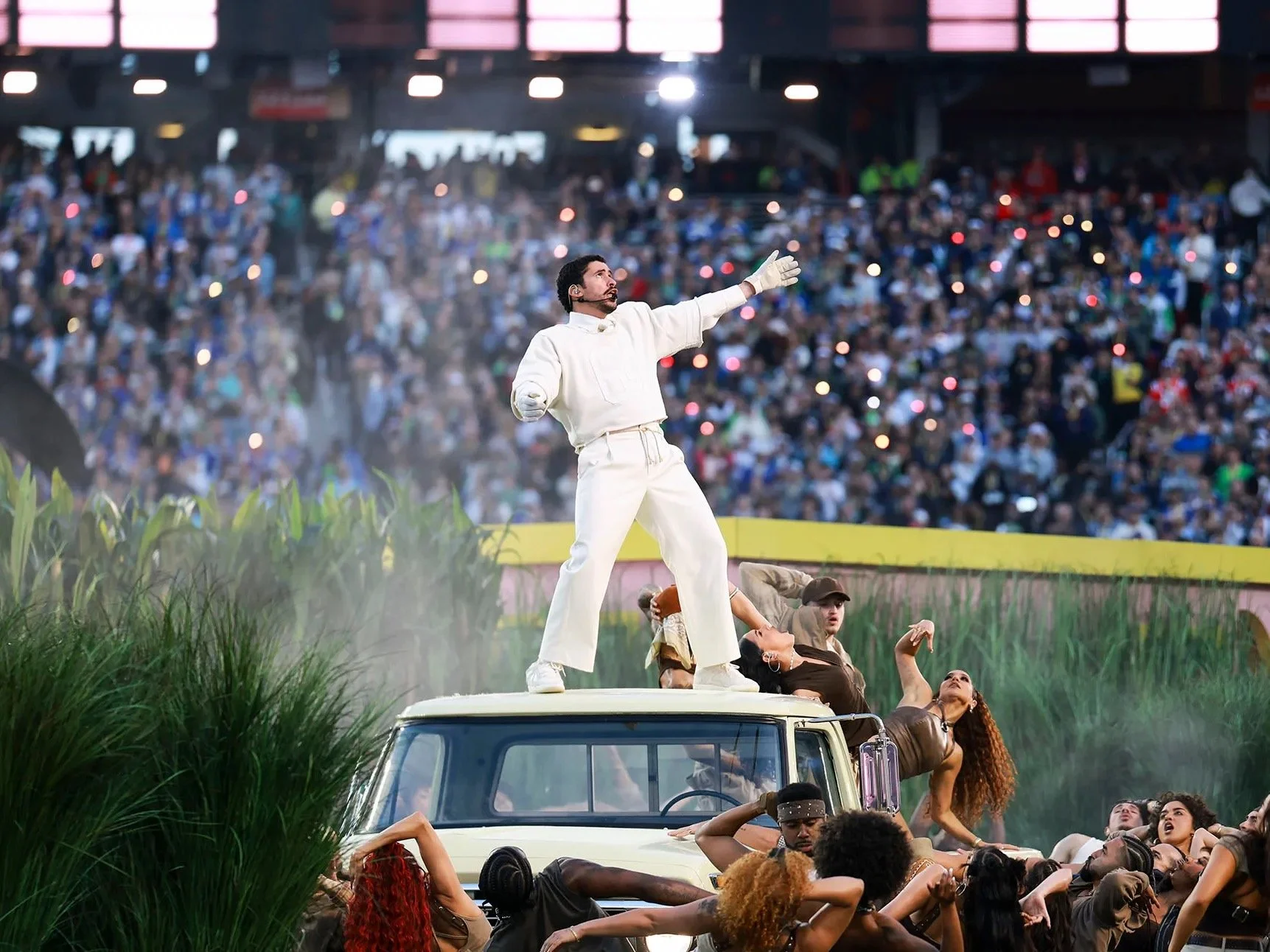
Spanish lyrics filled living rooms that rarely hear them. Latin rhythms echoed through a stadium built by immigrant labor. Visuals of togetherness appeared on screens while, just outside the celebration, entire communities live under the constant threat of surveillance, detention, and removal.
The irony wasn’t subtle — it was structural.
ICE, Fear, and the American Spectacle
In the days leading up to the game, rumors swirled about increased ICE presence. Officials denied targeted enforcement. Statements were released. Assurances were made.
But fear doesn’t disappear because of press releases.
For immigrant communities, especially those already traumatized by aggressive enforcement policies, the idea that the nation’s biggest celebration could double as a site of anxiety speaks volumes. It reveals a country where joy and fear coexist — often unequally distributed.
That contradiction is the real headline.
America celebrates diversity loudly on screen while policing it aggressively off camera. We cheer multiculturalism in entertainment but criminalize migration in policy. The halftime show didn’t create this tension — it exposed it.
Why Representation Still Feels Like a Threat
The backlash wasn’t about music quality or choreography. It was about discomfort.
For some viewers, hearing Spanish during the most watched American broadcast felt like intrusion rather than inclusion. That reaction says less about language and more about ownership — who people believe America is for.
Representation is only celebrated when it feels optional. When it becomes unavoidable, it is labeled “political.”
But for millions of Americans, immigration is not a debate — it’s daily life. Family separation. Work without protection. Existing in a country that consumes your culture while questioning your presence.
To them, the halftime show wasn’t radical. It was accurate.
Culture Moves Faster Than Policy
What made this moment powerful wasn’t protest or slogans. It was normalcy.
No speeches. No demands. Just presence.
That’s what unsettles people the most — not confrontation, but inevitability. Culture doesn’t ask for permission. It moves forward, dragging institutions behind it.
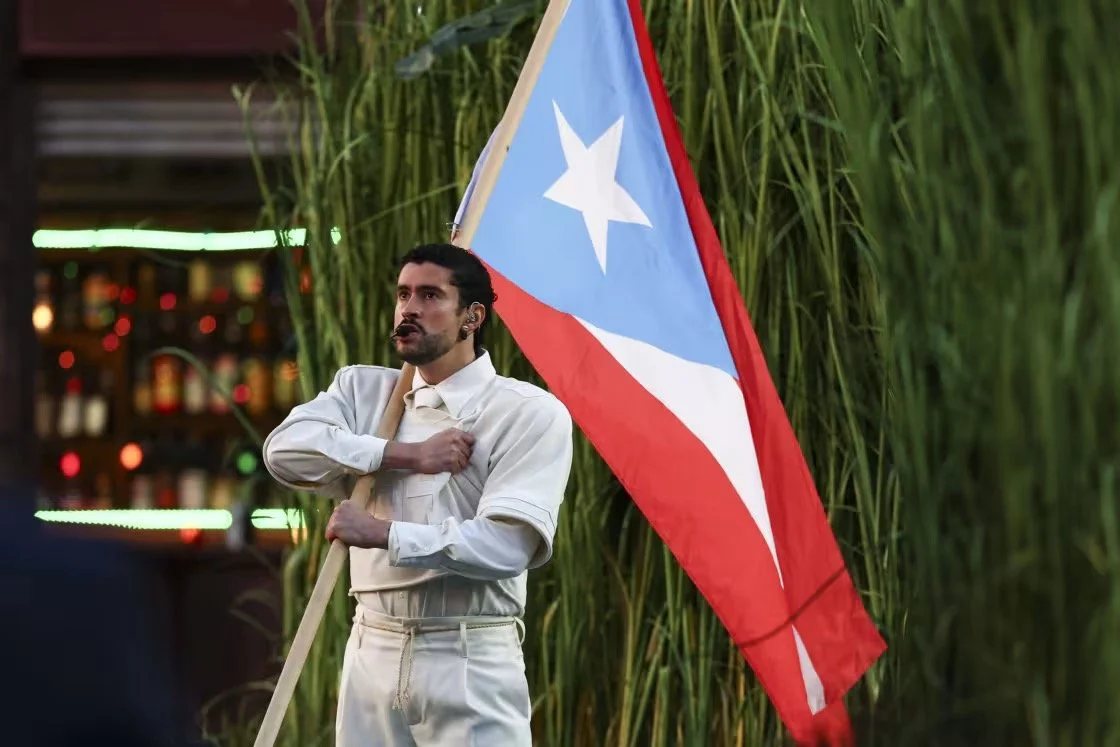
Sports leagues, corporations, and governments often try to freeze America in a nostalgic version of itself. But culture keeps revealing the truth: the country is multilingual, multiracial, and permanently shaped by migration.
The halftime show didn’t argue that reality. It performed it.
The Question We’re Avoiding
The real question isn’t whether politics belong in sports.
Politics already live there — in who is protected, who is policed, who is welcomed, and who is watched.
The question is whether America is willing to reconcile the version of itself it sells with the version it enforces.
Because as long as immigrant communities are celebrated on stage but targeted off it, every attempt at unity will ring hollow.
The halftime show didn’t divide the country. It held up a mirror.
And like most mirrors, people weren’t angry at the glass — they were angry at what they saw.