
Paris Men’s Fashion Week 2026 Wasn’t Loud — It Was Certain
Paris doesn’t chase attention; it assumes it. That attitude shaped Men’s Fashion Week 2026 from the first look to the final walk. Designers weren’t interested in shock value or viral theatrics this season. Instead, they focused on confidence, discipline, and clarity. The result was a week that felt calm, controlled, and intentional.
Rather than reacting to trends, Paris set its own tempo. Collections unfolded with restraint, trusting craftsmanship to do the heavy lifting. There was no rush to explain the clothes or overstate their meaning. The garments spoke through cut, weight, and proportion. In a fashion climate obsessed with immediacy, Paris chose patience.
February 2nd. Written by Ryan Packer | Editor in chief for PlannMagazine Tailoring, Reconsidered
Tailoring emerged as the foundation of the season, but not in its traditional form. Designers rebuilt classic silhouettes with softened shoulders, elongated lines, and relaxed structure. Suits felt fluid rather than rigid, modern without losing authority. The focus was on how clothing moves on the body, not just how it looks standing still. Precision replaced stiffness.
This evolution signaled a shift in how menswear defines power. Strength came from ease, not armor. Jackets and trousers were designed for longevity rather than statement moments. The tailoring felt lived-in, adaptable, and realistic. It reflected a generation less interested in dominance and more invested in self-possession.
Luxury That Whispers
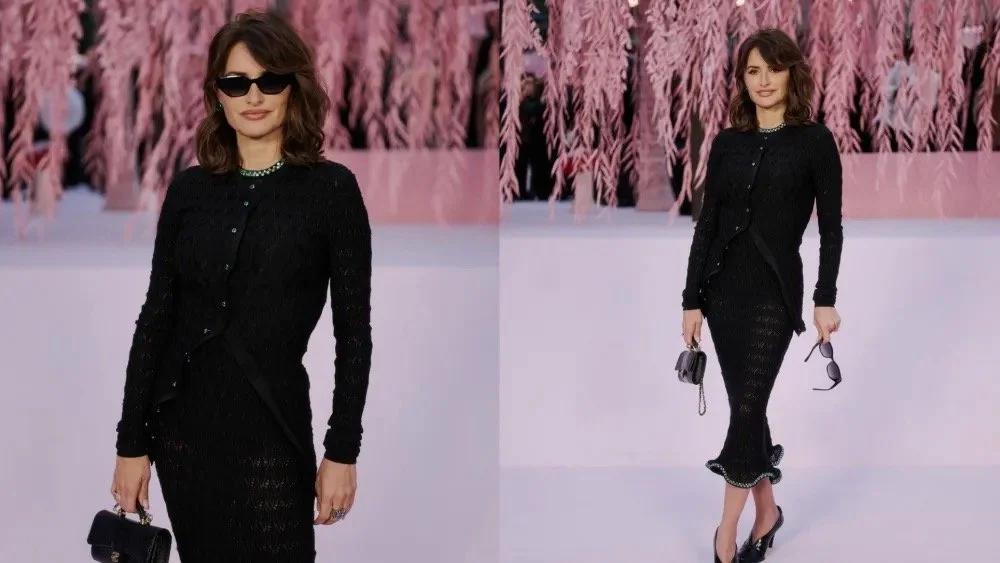
Luxury at Paris Men’s Fashion Week 2026 was deliberately understated. Designers leaned into materials over embellishment, allowing texture and construction to carry the narrative. Fine wools, supple leathers, and dense knits appeared repeatedly across collections. Nothing felt disposable or trend-chasing. These were clothes designed to age, not expire.
Hermès embodied this approach with particular clarity. The house presented garments rooted in proportion, durability, and ease, reinforcing the idea that true luxury doesn’t announce itself. The collection felt calm yet commanding. Every look suggested long-term ownership rather than seasonal relevance. In a crowded fashion landscape, restraint became its advantage.
Outerwear as Identity
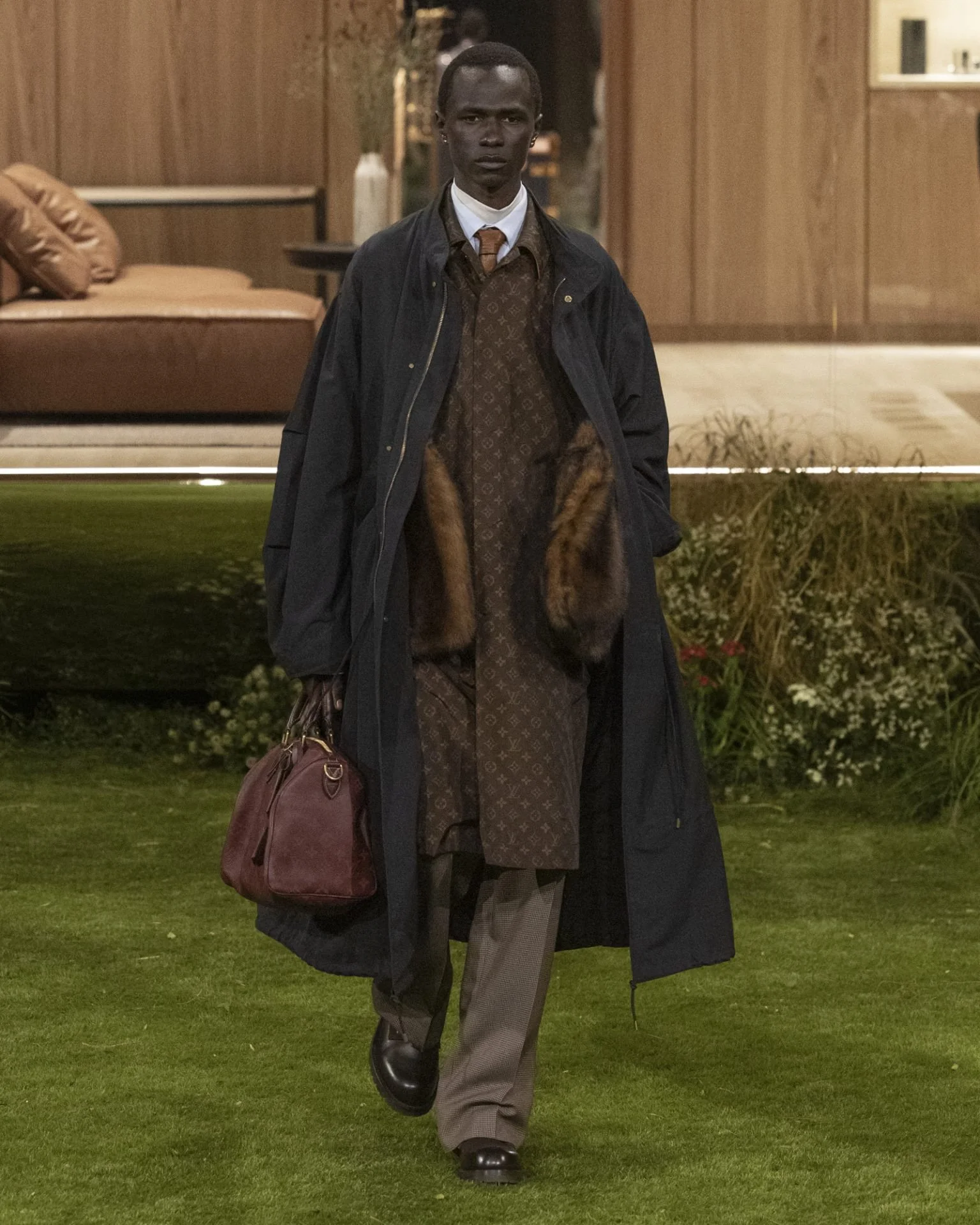
Outerwear defined the visual language of the week. Long coats, structured overcoats, and sculptural silhouettes dominated the runways. These pieces weren’t supporting elements; they were central statements. Designers used outerwear to establish mood, posture, and presence. Each coat felt intentional and character-driven.
In a season of muted palettes and controlled design, coats became the clearest expression of individuality. They framed the body and dictated how the wearer moved through space. Whether sharply tailored or subtly oversized, the message was consistent. Protection and elegance existed in the same garment. Outerwear became identity, not just function.
The Houses That Set the Tone
Several brands stood out by perfectly capturing the season’s restraint and confidence. Hermès led with discipline and longevity, presenting a collection rooted in craft rather than trend. The clothes felt permanent, designed to be worn and remembered. It was luxury at its most assured.
Dior Men balanced heritage with modern clarity, reworking classic tailoring through contemporary proportions. The collection felt respectful of the past without being constrained by it. Louis Vuitton brought structure and rhythm, pairing precise silhouettes with subtle moments of expression. Together, these houses reinforced Paris’s role as the standard-setter, not the follower.
Minimalism, But Not Empty
Minimalism played a key role, but it was never hollow. Designers removed excess only after perfecting the essentials. Clean lines were paired with thoughtful proportions and technical precision. Every detail felt deliberate rather than sparse. The simplicity carried weight.
What made the minimalism compelling was its tension. There was restraint, but also quiet confidence beneath it. Nothing felt rushed or underdeveloped. The clothes demanded attention through refinement rather than decoration. This was minimalism with intention, not absence.
A City Setting the Pace
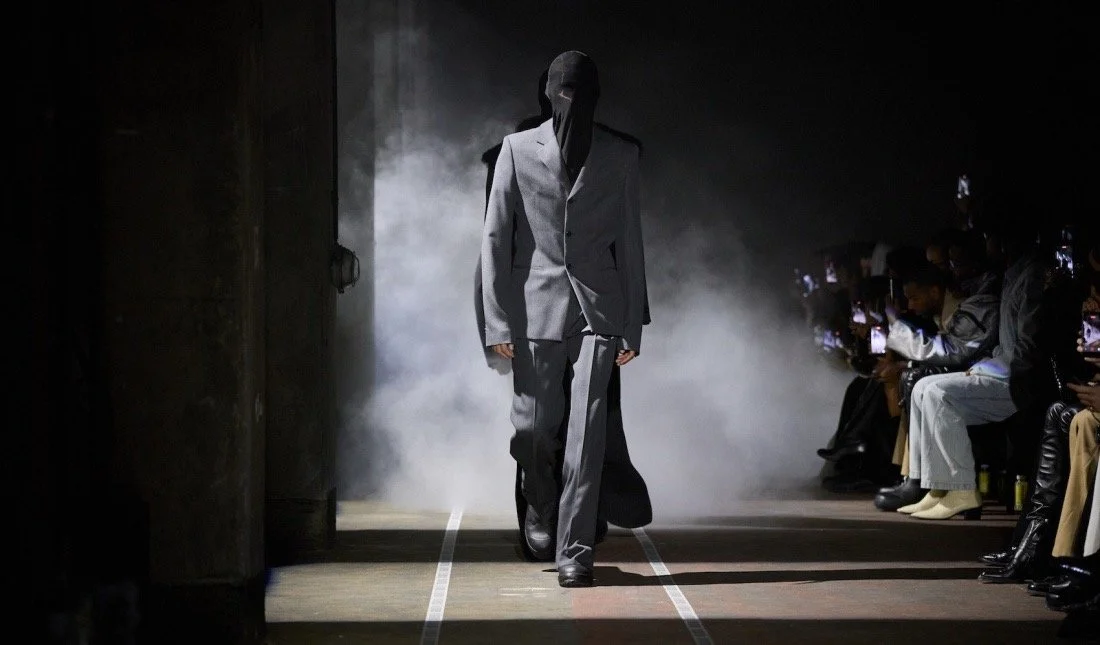
Paris once again positioned itself as menswear’s compass. While other cities experimented loudly, Paris focused on what lasts. The week emphasized craft, structure, and thoughtful design over hype. It felt grounded in history while still moving forward. The city wasn’t following trends; it was reaffirming standards.
Paris Men’s Fashion Week 2026 didn’t attempt to redefine menswear overnight. Instead, it clarified where the industry is headed. The collections favored longevity over immediacy and substance over spectacle. There was confidence in the restraint. Paris didn’t announce the future — it quietly demonstrated it.